
Game Objective
Equipment and Setup
One of the reasons behind Canasta’s continued popularity is that the rules introduce interesting strategic options while still limiting the amount of additional equipment players need for the game.
Beyond a table that seats four players, traditional modern Canasta has very few equipment or setup requirements that will be difficult for groups to gather.
Required Materials
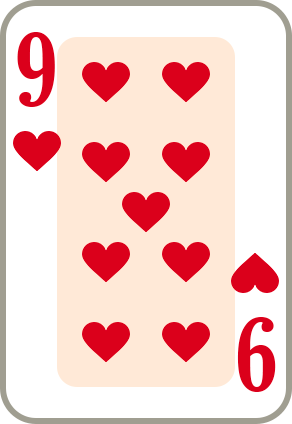
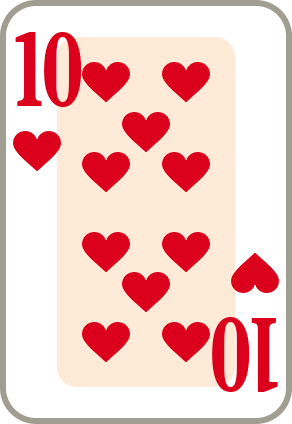
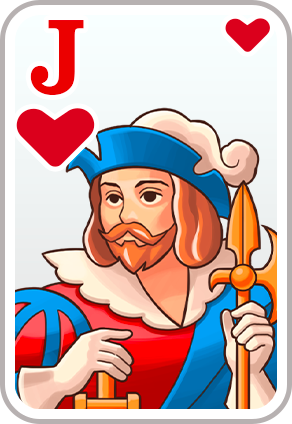
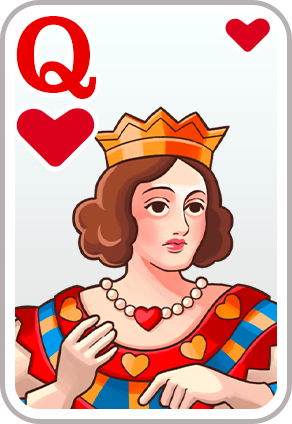
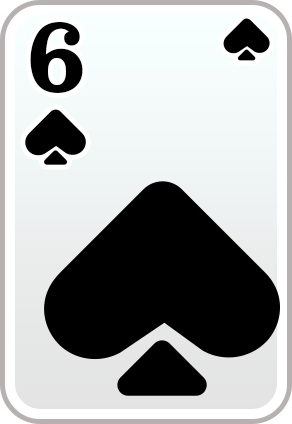
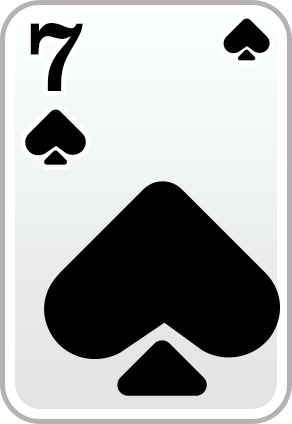
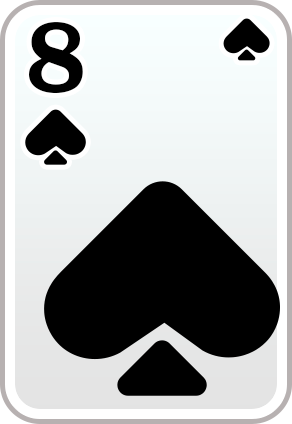
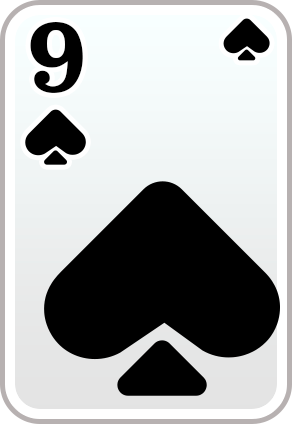
Initial Layout
Most Canasta games are played between two teams of two players. Partners sit at the table across from each other.
Once the cards are dealt to all players, discard and draw piles are established at the center of the table, within reach of all players.




Card Distribution and Game Start
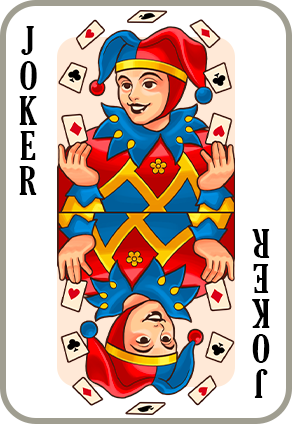
Canasta is a game that’s equal parts luck and strategy. You’ll need two regular decks of cards with the jokers, a scorepad, and a good grasp of the rules.
Canasta is not just about drawing cards: you need to read the table, work with your partner, and know when to take risks. The real challenge is balancing your hand while watching your opponents, always thinking a few moves ahead, and being ready to strike when the time is right!
Dealing Cards
Each player is dealt 13 cards, starting with the player to the dealer’s left.
Leftover cards form the draw pile and are placed in the center of the table.
The top card of the draw pile is revealed and set beside the draw pile to start the discard pile. If it’s a Red Three or Wild Card, another card is flipped.
Red Threes in players’ hands are played immediately, and players draw replacements.
Order of Play
Turn Structure
Phases of a Turn
The player’s turn begins with drawing, either from the draw pile or the discard pile.
From there, they play melds where they can, and then finish each turn with a discard or by going out.
There are more details to consider in each of these phases, which are discussed in the next section.
Available Actions
In every turn, a player has several actions they must complete and choices to make in each:
Either Draw or Take the Discard Pile: Draw two cards from the deck or take the entire discard pile. Taking the pile requires meeting certain conditions, like having two natural cards matching the top discard.
Play Meld or Add to Melds: Lay down new melds or add cards to existing melds the player’s team has already played. If their team hasn’t melded yet, the player must meet the point requirement for the initial meld.
Manage Their Hand: Players must consider how to use their wild cards, which melds to build toward a Canasta, and whether to hold or play certain cards to block their opponents.
Discard: To end their turn, players discard one card. This decision is critical, as the card a player discards can either help or block the next player.
Below an example of a "Canasta" with 7 cards of the same values.
Joker Usage
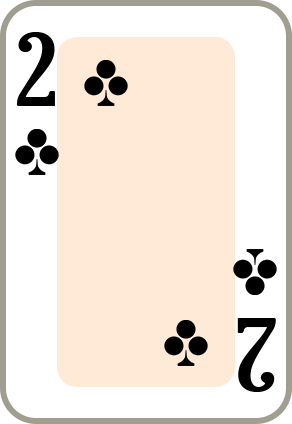
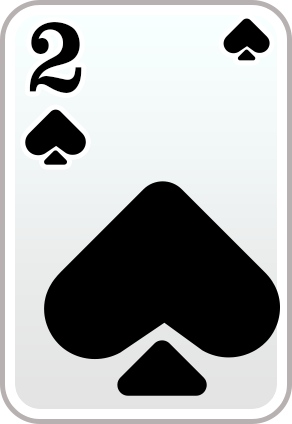
In modern Canasta, jokers and all twos are considered wild cards, meaning they can substitute for any other card to help form or complete a meld. However, their use is limited by specific rules: in any meld (including a Canasta, which is a meld of seven or more cards of the same rank), you may not use more than one wild card for every two natural cards. If a meld contains too many wild cards, it becomes invalid. A Canasta made up entirely or mostly of wild cards is called a "wild Canasta" and scores fewer points than a natural Canasta (which contains no wild cards). Using wild cards wisely is a key part of strategy: they can speed up meld completion, but relying too heavily on them may reduce your final score or prevent valid melds.
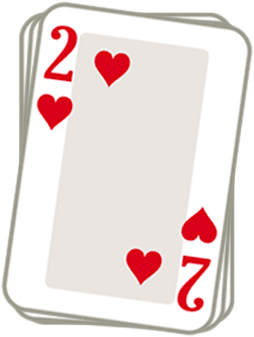
Below an example of a combinaison with 2 wild cards (one joker and one "Two").
Scoring System and Winning Conditions
Canasta works like a lot of trick-taking games, but with a more rigorous scoring scheme that forces players to really consider when and how to play some of their cards.
To win at Canasta, your team needs to score more points than your opponents. Points come from making melds, completing Canastas, and going out. A natural Canasta is worth 500 points, and a mixed Canasta is worth 300. You also earn points for the value of cards in your melds and lose points for any cards left in your hand. Red Threes are bonus points, but only if you’ve made a meld. The game ends when one team goes out.
Point Calculation
Canasta has a very unusual scoring system. Beginning players often have an index card with the values written down so they can keep track of things during the game.
Cards have the following scores in Canasta:
- Jokers = 50 points
- Twos = 20 points (they are also wild)
- Aces and Eights through King = 20 points
- Fours through Sevens = 5 points
- Black Threes = 5 points (cannot be used in melds)
- Red Threes = 100 points (bonus, and they must be laid down immediately)
Game End
Canasta players score points by forming melds (sets of 3 or more cards of the same rank) and creating canastas (melds of 7 or more cards).
The game ends when a team goes out by using all their cards and meeting the conditions for going out.
Specific Rules and Exceptions
Canasta is fun because it hits that sweet spot between strategy and luck, with just enough teamwork to keep things interesting. Playing in pairs makes it feel more social, and there’s always something to think about—should you go for a Canasta now or wait? Do you freeze the pile or take a risk?
The wild cards and special rules that gaming groups choose to follow keep Canasta from getting boring. The variety ensures that each game is a new experience with new applications of strategy to consider.
It’s competitive without being cutthroat, and even if you fall behind, there’s usually a way to turn things around. That mix keeps people coming back.